Aug 28, 2026
CAF achieves 273 km in battery mode during range test in Wildenrath test track
Read more
Metro de Granada enhances operational efficiency through digitalization and intelligent maintenance
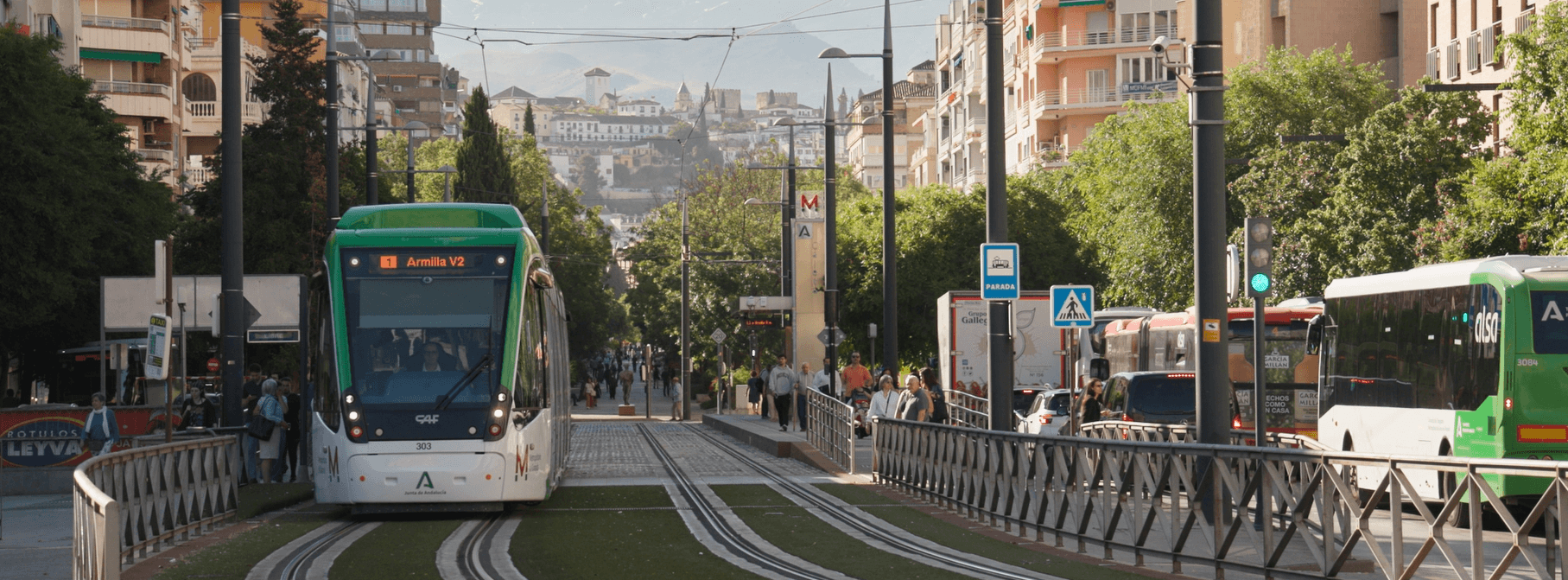
With more than 17 million passenger journeys each year, Metro de Granada plays a vital role in the mobility of the metropolitan area. As the network continues to grow, maintaining high levels of reliability, availability, and service quality requires greater visibility across operations, maintenance, and infrastructure.
To support this objective, Metro de Granada implemented LeadMind in 2023, integrating operational, maintenance, and infrastructure data into a single digital environment. By connecting previously fragmented information, the platform provides a shared view of the network, enabling faster diagnosis, improved coordination, and more informed decision-making.
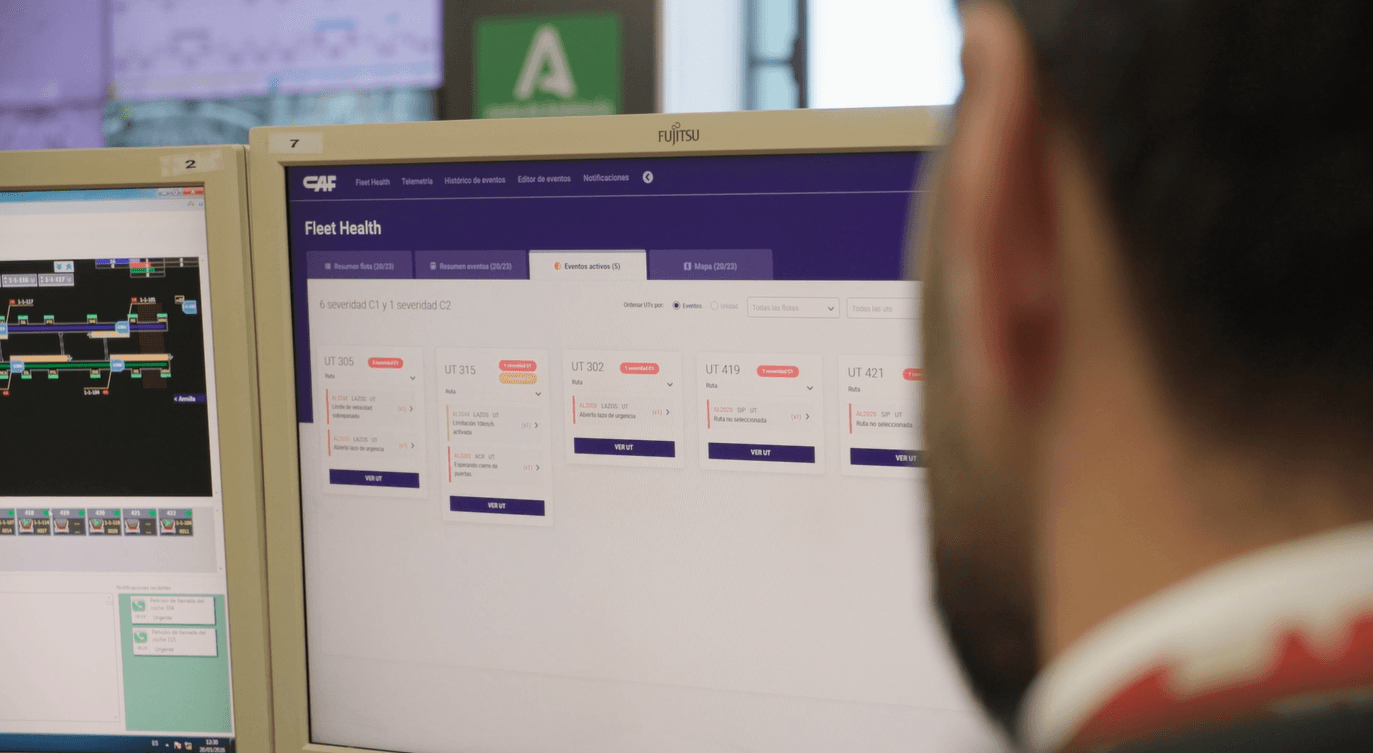
One of the main objectives of the project was to bring together information from different systems and teams into a common operational framework. By working from the same data set, operators, maintenance engineers, and management teams can better understand network performance, identify emerging issues earlier, and coordinate actions more effectively.
“By centralizing data, eliminating information silos, and ensuring that everyone works with the same information, we can anticipate decisions and optimize service operations.”
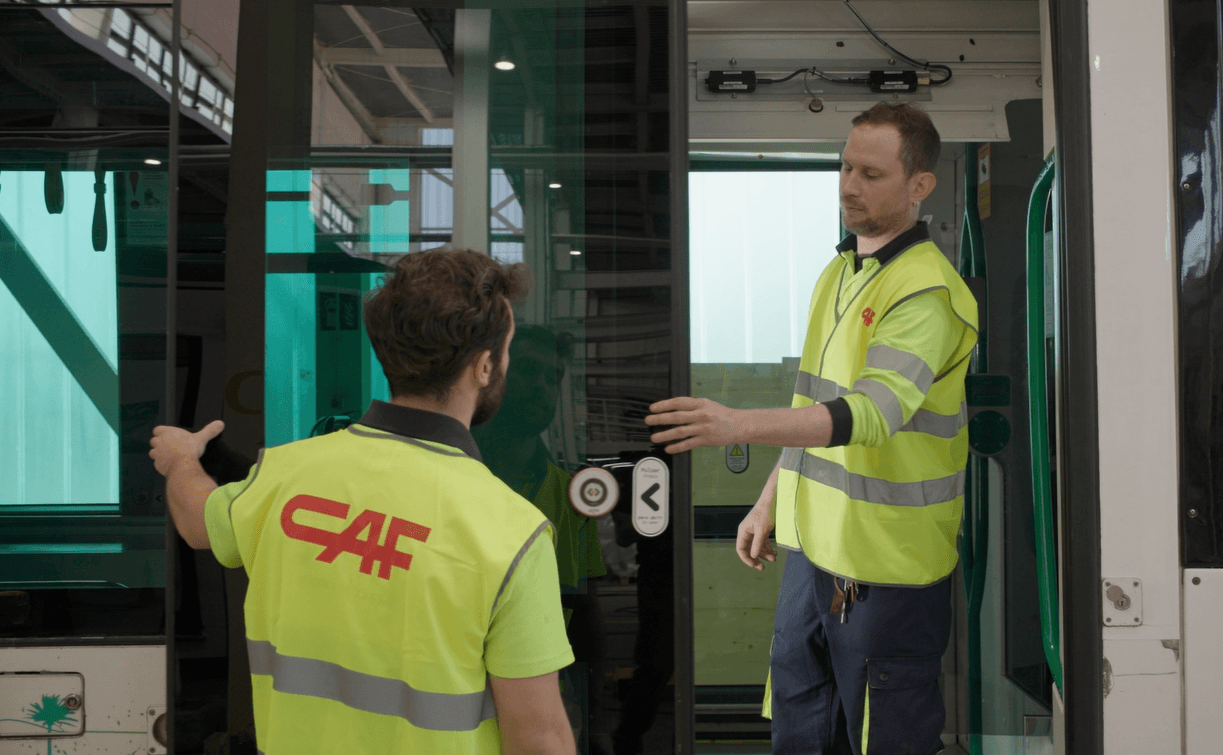
One of the most significant outcomes of the digitalization initiative has been the adoption of condition-based maintenance practices. Continuous monitoring of critical systems allows teams to detect anomalies and degradation patterns before they develop into service-affecting failures.
Real-time access to asset information and onboard events also strengthens coordination between operations and maintenance teams, helping reduce response times and improve operational continuity.
As a result, Metro de Granada has achieved:
“From the Operations Control Center, we monitor the fleet in real time and have direct visibility of the alarms generated on board the trains. We validate this information with the driver, provide operational support, and coordinate efficiently with the maintenance depot, optimizing fleet management.”
In addition to vehicle monitoring, LeadMind provides visibility into critical infrastructure assets across the network.
The platform supports the supervision of catenary-free transitions, balises, and power supply systems by correlating onboard and trackside information. This enables maintenance teams to identify the source of incidents more quickly, locate affected assets with greater precision, and perform targeted interventions.
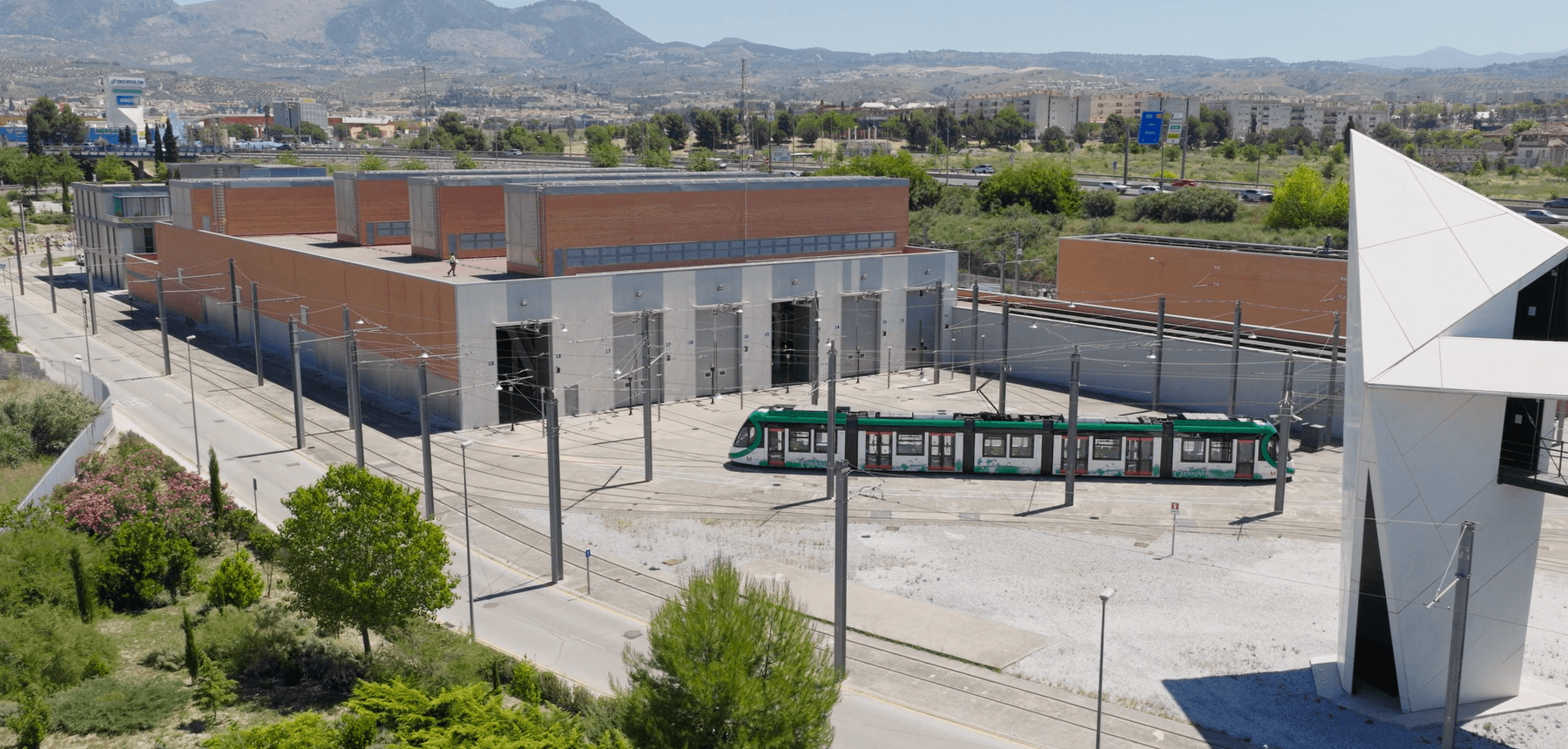
The value of integrated data extends beyond maintenance activities. Operational information collected across the network is helping Metro de Granada gain a deeper understanding of passenger demand and service performance.
Occupancy sensors provide insights into passenger flows and mobility trends, supporting the evaluation of initiatives such as Granada's Low Emission Zone. At the same time, operational indicators related to driving performance and energy consumption help identify opportunities to improve efficiency while maintaining passenger comfort.
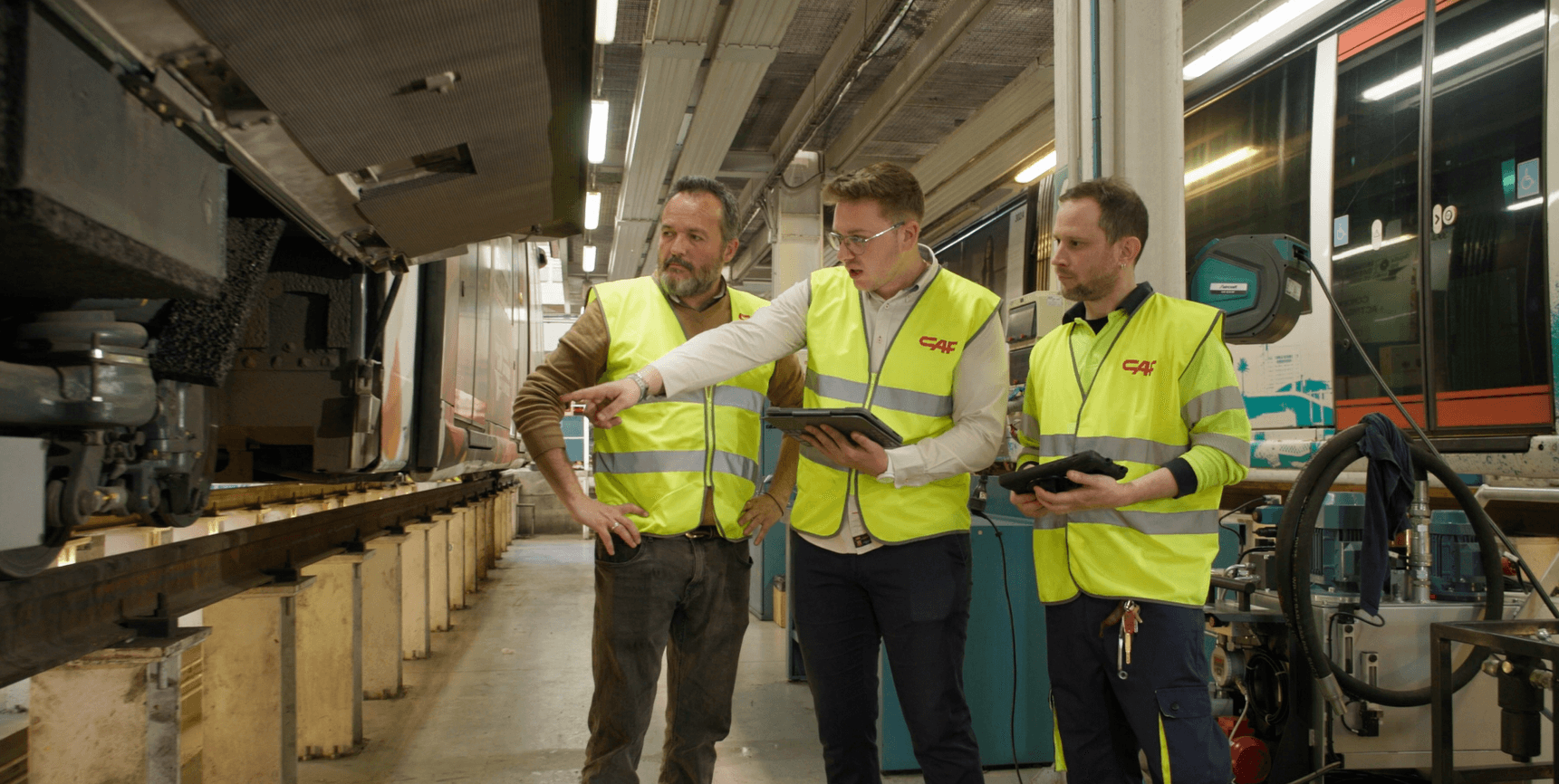
Digitalization has also improved how maintenance activities are planned and executed.
By using intelligent planning tools, Metro de Granada can optimize inspection schedules, allocate resources more efficiently, and reduce vehicle downtime while maintaining safety and asset reliability.
“We also use SMS, an intelligent planning tool that enables us to efficiently schedule both short- and long-cycle maintenance inspections, optimizing maintenance interventions and reducing the time trains spend in the workshop.”
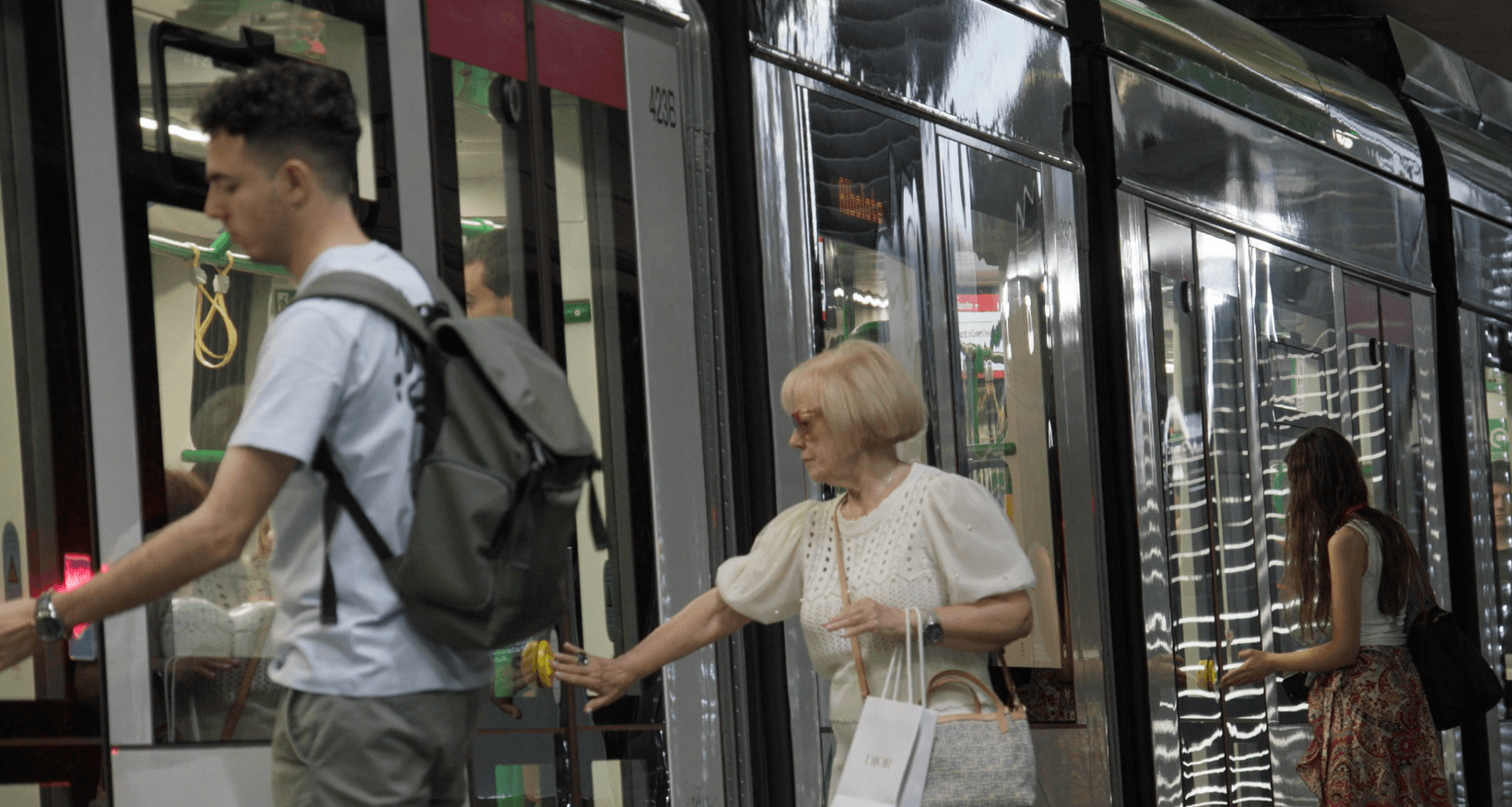
Metro de Granada's experience demonstrates the value of transforming operational data into actionable intelligence.
By connecting information across vehicles, infrastructure, and maintenance activities, the operator has improved reliability, optimized resource allocation, and strengthened its ability to anticipate and address operational challenges. The result is a more efficient, resilient, and data-driven railway operation.
As urban rail networks continue to evolve, integrated digital platforms will play an increasingly important role in enabling safer, more efficient, and more sustainable transport systems.
 .